Space weather affects everything from GPS navigation to power grids, yet monitoring the Sun’s temperamental behavior requires constant vigilance across multiple data streams. Solar X-ray flares can knock out radio communications across entire hemispheres, while coronal mass ejections trigger geomagnetic storms that disrupt satellite operations and create spectacular auroras.
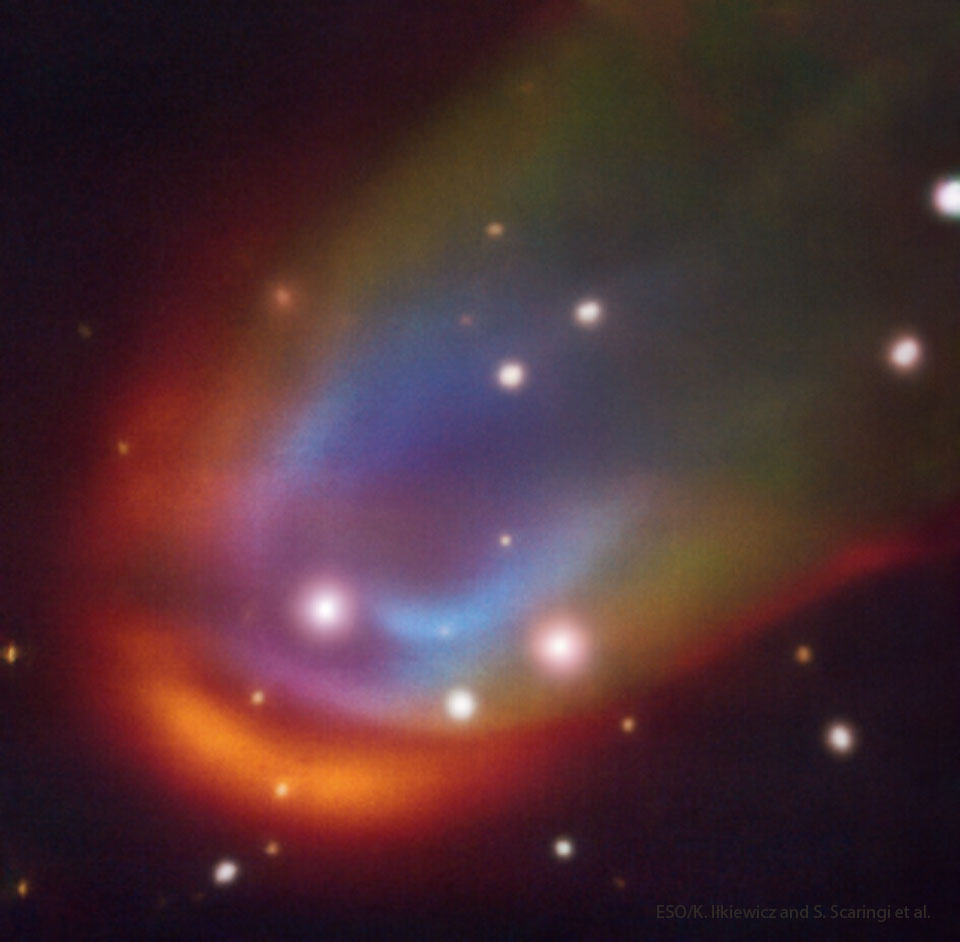
This Python application automates the tedious process of gathering and analyzing space weather data from NASA and NOAA sources, generating comprehensive reports every 24 hours at 06:00 UTC. The system tracks solar X-ray flux levels using GOES satellite data, monitors radio blackout conditions on the R-scale, and integrates NASA’s Astronomy Picture of the Day for broader cosmic context. It handles everything from parsing real-time solar activity measurements to logging historical trends and generating visual plots of X-ray flux data.
Perfect for researchers studying solar-terrestrial interactions, amateur radio operators tracking propagation conditions, or satellite mission planners who need reliable space weather intelligence. The automated reporting eliminates manual data collection while ensuring critical space weather information is captured consistently, making it an invaluable tool for anyone whose work depends on understanding our star’s influence on Earth’s technological infrastructure.
⭐ Stars: 4
💻 Language: Python
🔗 Repository: simuxakadiscgolfgod/Space-Weather