Every day, space telescopes capture terabytes of cosmic data that hold secrets about distant galaxies, exoplanets, and the fundamental nature of our universe. But raw astronomical data is like stardust - beautiful but scattered, requiring sophisticated tools to reveal its hidden patterns. SpaceKit emerges as the bridge between cutting-edge machine learning and the cosmos, developed by the Space Telescope Science Institute to tackle the most challenging problems in modern astronomy.
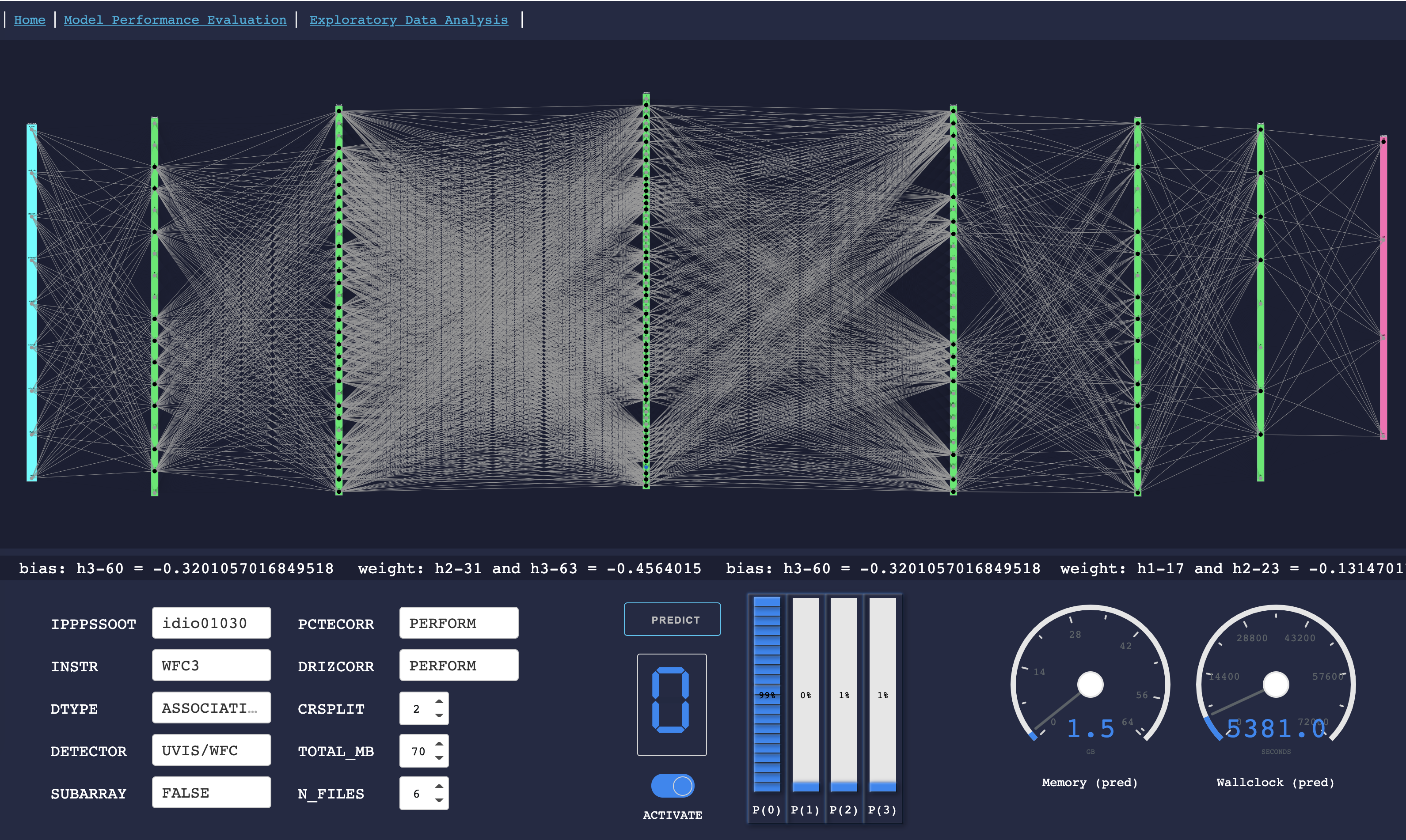
This Python powerhouse comes equipped with pre-trained neural networks that solve real mission-critical problems. Need to predict computational resources for JWST’s calibration pipeline? SpaceKit’s got you covered with memory footprint predictions that help optimize processing workflows. Wrestling with HST image alignment for single visit mosaics? Its machine learning models can predict which astronomical images will align successfully, saving precious processing time and computational resources. The toolkit seamlessly integrates with the astronomical Python ecosystem through Astropy, offering both command-line interfaces for pipeline operations and rich Python APIs for custom analysis.
From STScI’s operational pipelines to research labs worldwide, SpaceKit represents the democratization of space-grade machine learning tools. Whether you’re calibrating next-generation space telescope data or developing novel approaches to astronomical image processing, this toolkit puts institutional-quality ML capabilities directly into the hands of the astronomical community. It’s not just about processing data faster - it’s about unlocking discoveries that were previously buried in the noise.
⭐ Stars: 10
💻 Language: Python
🔗 Repository: spacetelescope/spacekit